Everything You Need to Know About Brushing Your Newborn's Hair
author: Fay
2025-06-26

Everything You Need to Know About Brushing Your Newborn's Hair
Is Brushing a Newborn's Hair Necessary?
Many new parents often wonder, “Is it really necessary to brush my newborn’s hair?” The answer might surprise you. While it isn't an absolute necessity, brushing your baby’s hair comes with several benefits. Gentle brushing helps distribute the natural oils from the scalp, which can keep the hair soft and healthy. Additionally, it can be a soothing bonding activity between you and your little one. However, if your baby has very little hair or you notice any signs of skin irritation, you may choose to hold off for a while.
When Should You Start Brushing Your Newborn's Hair?
The question of “When should I start?” is common among parents. Generally, it’s safe to start brushing your newborn’s hair as soon as you feel comfortable doing so, typically within the first few weeks of their life. However, if your baby has a soft spot (fontanelle) on their head, which is a normal, delicate area that allows for the baby’s brain growth, be extra cautious. Avoid applying too much pressure around this area when brushing.
How to Choose the Right Hairbrush for Your Newborn?
Selecting the proper hairbrush is crucial. The question “What kind of brush should I use?” has a straightforward answer. Look for a soft-bristled baby hairbrush. These brushes are designed specifically for a newborn’s delicate scalp and hair. Avoid brushes with hard or sharp bristles, as they can scratch the baby’s sensitive skin. Some popular options include brushes made from natural materials like boar bristles, which are gentle yet effective at distributing oils.
What's the Correct Way to Brush a Newborn's Hair?
Once you have the right brush, you might ask, “How do I brush my baby’s hair properly?” First, make sure your hands and the brush are clean. Gently place your baby on a soft surface, such as a changing table or a bed, and support their head. Start brushing from the front of the scalp towards the back in slow, smooth strokes. If you encounter any tangles, don’t pull; instead, use your fingers to carefully separate the strands. Keep the brushing session short and relaxed to make it a pleasant experience for your baby.
Are There Any Precautions to Take?
Finally, it’s essential to consider “What precautions should I be aware of?” Besides being careful around the soft spot, watch out for signs of discomfort or distress in your baby. If they start crying or seem agitated, stop immediately. Also, regularly check the brush for any loose bristles, as these could potentially harm your baby. If your baby has any scalp conditions like cradle cap, consult your pediatrician before brushing, as they may recommend specific techniques or products.
In conclusion, by answering these common questions and following the tips above, you can ensure a safe and pleasant hair-brushing experience for both you and your little one.
Unveiling the Wonders of Vintage Hair Brushes
The Ultimate Guide to Hair Brushes for Men's Hair
Related Article

Hair brushes, makeup bags, LED makeup mirrors and lash tools do not share a duty rate, a freight profile or a lead time. A 2026 planning guide for accessory buyers.
Beauty Accessories Freight & Duty Guide 2026
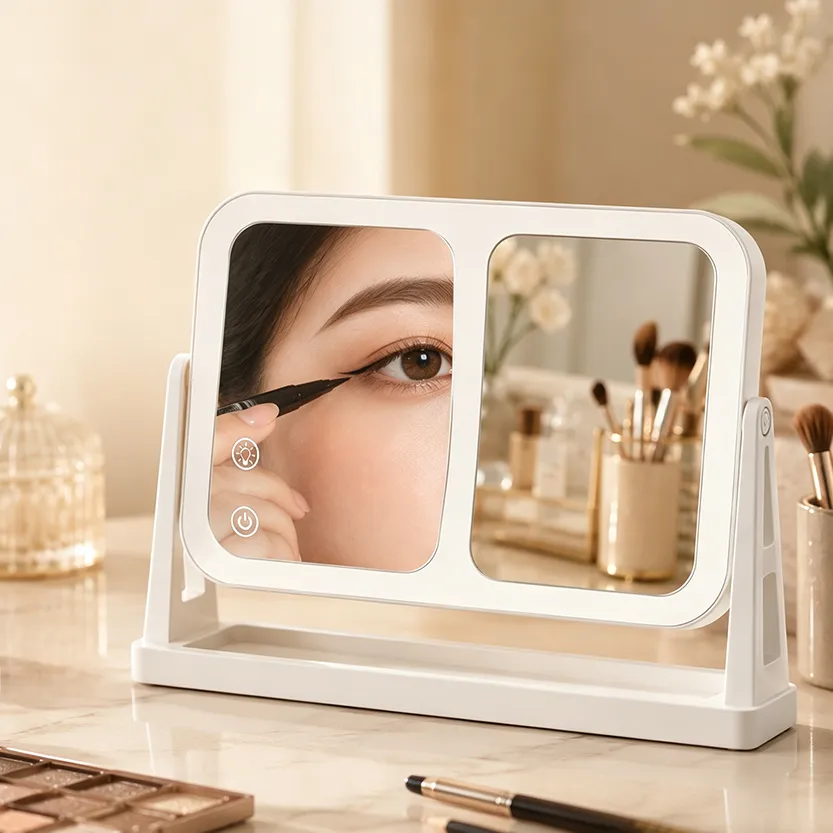
B2B sourcing guide to makeup mirrors — 6 product types, 4 material options, the LED specs that actually matter, magnification mistakes, battery safety, and a 10-field OEM specification.
The B2B Sourcing Guide to Makeup Mirrors