How Often Should You Replace Your Hair Brush?
author: Fay
2025-08-20
How Often Should You Replace Your Hair Brush?
We spend so much time choosing the perfect hair brush for our hair type—whether it’s for detangling curly locks, smoothing straight strands, or adding volume to fine hair. But how often do we think about when it’s time to replace that trusty tool? Surprisingly, holding onto an old hair brush can do more harm than good, from causing breakage to spreading bacteria. In this guide, we’ll break down the replacement timeline for different brush types, key signs it’s time to toss yours, and how to extend your brush’s life.
Why Replacing Your Hair Brush Matters
Before diving into timelines, let’s talk about why replacement is important. Over time, hair brushes accumulate:
- Dead hair (which traps oils and product buildup)
- Dirt and bacteria (from your scalp, environment, or styling products)
- Worn bristles (which can snag, pull, or scratch your scalp)
Using a degraded brush can lead to dull hair, increased breakage, and even scalp irritation. So, knowing when to say goodbye is key to maintaining healthy hair.
General Replacement Timeline
Not all brushes are created equal, and their lifespans vary based on material, quality, and usage. Here’s what you need to know:
1. Plastic Brushes: 6–12 Months

Plastic brushes are affordable and common, but they’re also the most prone to wear and tear. The bristles (often made of nylon or plastic) can bend, break, or become jagged over time—especially if you use them daily or on wet hair (which is more fragile).
- Signs it’s time to replace: Bent or missing bristles, cracks in the plastic base, or a buildup of product that won’t come clean.
- Pro tip: Avoid using plastic brushes on wet hair regularly, as this accelerates bristle damage.
2. Boar Bristle Brushes: 1–2 Years
Boar bristle brushes are prized for their ability to distribute natural scalp oils through the hair, adding shine and reducing frizz. They’re more durable than plastic, but the bristles can still wear down or become loose over time.
- Signs it’s time to replace: Bristles falling out, fraying at the ends, or a sticky residue that won’t wash off (from styling products).
- Pro tip: Clean boar bristle brushes weekly with a mild shampoo to prevent oil and product buildup, which can shorten their lifespan.
3. Wooden Brushes: 1–3 Years

Wooden brushes (often made from bamboo, sandalwood, or beechwood) are sturdy and gentle on the scalp. The wood itself resists bacteria better than plastic, and the bristles (which may be boar or nylon) are typically well-anchored.
- Signs it’s time to replace: Splinters in the wood, loose or broken bristles, or a musty smell (from moisture trapped in the wood).
- Pro tip: Keep wooden brushes dry—avoid soaking them, and wipe them down after cleaning to prevent warping.
4. Cushioned/Volumizing Brushes: 6–12 Months
Cushioned brushes have a soft, flexible base (usually rubber or foam) that conforms to the scalp, making them great for adding volume. However, the cushion can break down over time, especially with frequent use or exposure to heat (from hair dryers).
- Signs it’s time to replace: A flattened or cracked cushion, bristles pulling out in clumps, or a sticky, discolored base (from product buildup).
- Pro tip: Avoid pressing too hard while brushing—this can damage the cushion and cause premature wear.
5. Metal Brushes: 6–9 Months
Metal brushes (often with a metal barrel and nylon bristles) are designed for heat styling, as they conduct heat well. However, the metal can corrode over time, and the bristles can become sharp or loose, posing a risk of scalp damage.
- Signs it’s time to replace: Rust on the metal parts, bent or missing bristles, or a rough texture on the barrel (which can snag hair).
- Pro tip: Use metal brushes only with heat styling tools, and clean them after each use to remove product residue.
Key Signs Your Brush Needs Replacing (No Matter the Type)
Even if your hair brush is within its “expiration date,” these red flags mean it’s time to replace it ASAP:
- Bristles are bent, broken, or sharp: Jagged bristles can tear hair and scratch the scalp.
- Excessive product buildup: If shampoo and warm water won’t remove sticky residue, bacteria is likely thriving.
- Loose or missing bristles: Bristles that fall out easily can get tangled in your hair, causing breakage.
- Damage to the base: Cracks, splits, or a broken cushion mean the brush isn’t functioning properly.
- Your hair feels “off”: If you notice more breakage, frizz, or scalp irritation after brushing, your tool may be to blame.
How to Extend Your Hair Brush’s Lifespan

With proper care, you can maximize the life of your brush:
- Clean it regularly: Remove loose hair after each use, and deep clean weekly with warm water and mild shampoo (or a vinegar solution for tough buildup).
- Store it properly: Keep brushes in a dry, well-ventilated area—avoid leaving them in damp bathrooms or near heat sources.
- Use the right brush for the job: Don’t use a styling brush for detangling, or a plastic brush on wet hair (unless it’s specifically designed for it).
- Handle with care: Avoid dropping brushes, as this can loosen bristles or crack the base.
Final Thoughts
Your hair brush is a hardworking tool, but it doesn’t last forever. By knowing the lifespan of your specific brush type and watching for key warning signs, you can ensure you’re always using a tool that keeps your hair healthy and shiny. And with a little care, you can stretch that timeline—saving money and keeping your hair happy in the process.
The Ultimate Guide to Detangling Hair Brushes
The Truth Behind Expensive Hair Brushes
Related Article

Hair brushes, makeup bags, LED makeup mirrors and lash tools do not share a duty rate, a freight profile or a lead time. A 2026 planning guide for accessory buyers.
Beauty Accessories Freight & Duty Guide 2026
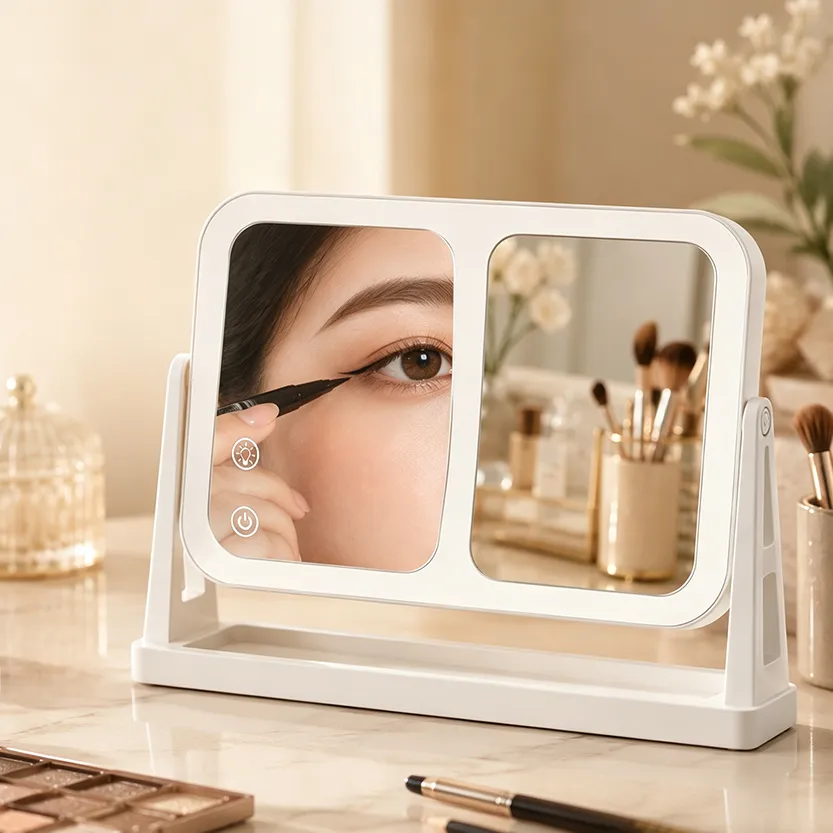
B2B sourcing guide to makeup mirrors — 6 product types, 4 material options, the LED specs that actually matter, magnification mistakes, battery safety, and a 10-field OEM specification.
The B2B Sourcing Guide to Makeup Mirrors