How to Brush Curly Hair?
author: Fay
2025-05-28
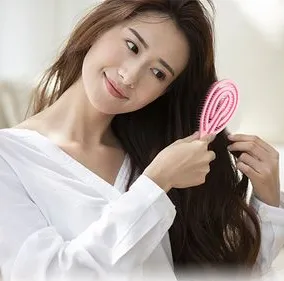
How to Brush Curly Hair
Improper brushing can lead to frizz, breakage, and loss of curl definition. In this blog post, we'll explore the best techniques, tools, and tips for brushing curly hair to keep it healthy, hydrated, and full of bounce.
Understanding the Challenges of Curly Hair
Curly hair has a different structure compared to straight hair, which makes it more prone to certain issues during brushing.
1. Frizz Formation
The unique shape of curly hair, with its twists and turns, makes it easier for moisture to escape and for the hair cuticles to lift. Brushing dry curly hair can exacerbate this problem, causing the cuticles to become even more raised and leading to frizz.
2. Tangling
The natural bends in curly hair create more areas where strands can get caught on each other, resulting in tangles. Aggressive brushing can make these tangles worse and may even pull out hair, causing breakage.
3. Loss of Curl Definition
Brushing curly hair vigorously can stretch out the curls, making them lose their shape and definition. This can leave your hair looking limp and unruly.
Essential Tools for Brushing Curly Hair
The right tools can make a world of difference when it comes to brushing curly hair. Here are some must - have items:
- Use: A wide - tooth comb is the most gentle tool for curly hair. Its widely spaced teeth are designed to detangle hair without pulling or breaking it. It's best used when the hair is wet and coated with conditioner, as the conditioner helps to lubricate the strands and make detangling easier.
- Why It's Great: This comb minimizes friction and reduces the risk of frizz. It can be used from the ends of the hair to the roots, gradually working through tangles in small sections.
2. Denman Brush
- Use: The Denman brush features rows of short, firm bristles with a rubber cushion base. It's excellent for defining curls and distributing natural oils and products evenly throughout the hair. When used on wet hair with styling products, it can help create clumps of curls for a more cohesive look.
- Why It's Great: The brush's design allows it to gently detangle while also shaping the curls. It's a popular choice among those with tight curls or coils.
- Use: Detangling brushes usually have flexible, widely - spaced bristles that are designed to glide through tangles easily. They are suitable for all curl types and can be used on wet or dry hair (although wet brushing with product is recommended to reduce damage).
- Why It's Great: These brushes are gentle on the hair and scalp, reducing the pain and stress associated with detangling curly hair. Some detangling brushes also have anti - static properties to further minimize frizz.
Step - by - Step Guide: How to Brush Curly Hair
Follow these steps to brush your curly hair effectively and safely:
1. Prepare Your Hair
- Wash and Condition: Start by washing your hair with a sulfate - free shampoo and a rich conditioner. The conditioner will help to soften the hair and make it more manageable.
- Apply Leave - In Products: While your hair is still wet, apply a leave - in conditioner, curl cream, or detangling spray. These products provide additional moisture and slip, making it easier to brush through the hair.
2. Start at the Ends
- Use Your Fingers First: Before reaching for a brush or comb, use your fingers to gently separate any large clumps or tangles at the ends of your hair. This initial step can reduce the amount of pulling when using a tool.
- Gentle Detangling: Take your wide - tooth comb or detangling brush and start at the bottom 2 - 3 inches of your hair. Slowly work your way up, combing or brushing in small sections. If you encounter a tangle, stop and use your fingers to loosen it before continuing.
3. Work in Sections
- Divide Your Hair: Divide your hair into 4 - 6 sections, depending on the thickness. Secure the sections you're not working on with clips or hair ties. This makes it easier to focus on one area at a time and ensures that you don't miss any tangles.
- Brush Each Section Thoroughly: Once a section is detangled with the wide - tooth comb, you can use a Denman brush or detangling brush (if desired) to further define the curls and distribute products evenly.
4. Avoid Over - Brushing
- Limit Brushing: Curly hair doesn't need to be brushed as frequently as straight hair. Over - brushing can disrupt the curl pattern and cause frizz. Aim to brush your hair only when necessary, such as during the washing and styling process.
Tips for Maintaining Curly Hair
- Sleep Protection: Use a silk or satin pillowcase or a hair bonnet to sleep. These materials reduce friction between your hair and the pillow, preventing frizz and breakage while you sleep.
- Deep Conditioning: Regularly perform deep conditioning treatments to keep your curly hair hydrated. Deep conditioners penetrate the hair shaft and provide extra moisture, which is crucial for maintaining healthy curls.
- Trim Regularly: Get your hair trimmed every 8 - 12 weeks to remove split ends. Split ends can travel up the hair shaft and cause more damage, so keeping your ends healthy is essential for overall hair health.
Conclusion
Brushing curly hair doesn't have to be a struggle. By understanding the unique needs of your curly locks, using the right tools, and following the proper techniques, you can keep your hair looking beautiful, healthy, and full of life. Remember, patience and gentle handling are key when it comes to caring for your curls.
Does Brushing Hair Stimulate Growth?
How to Select a Good Hair Brush?
Related Article

Hair brushes, makeup bags, LED makeup mirrors and lash tools do not share a duty rate, a freight profile or a lead time. A 2026 planning guide for accessory buyers.
Beauty Accessories Freight & Duty Guide 2026
B2B sourcing guide to makeup mirrors — 6 product types, 4 material options, the LED specs that actually matter, magnification mistakes, battery safety, and a 10-field OEM specification.
The B2B Sourcing Guide to Makeup Mirrors