The Truth Behind Expensive Hair Brushes
author: Fay
2025-08-15
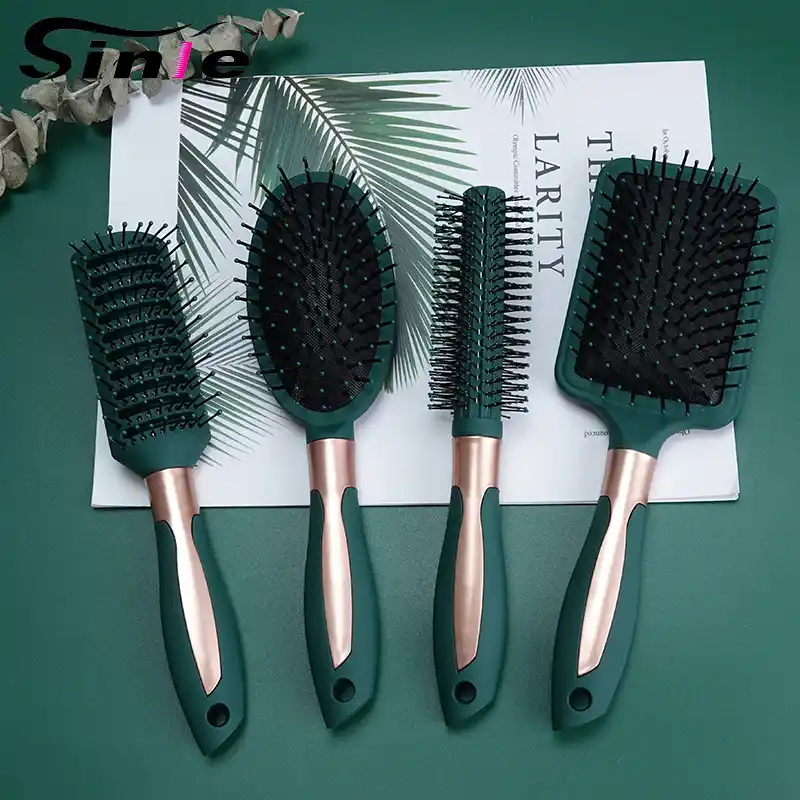
The Truth Behind Expensive Hair Brushes
High-end hair brushes aren’t just about branding—they’re the result of premium materials, precision engineering, and a commitment to hair health that budget alternatives simply can’t match.
What Sets Expensive Hair Brushes Apart? The Key Differences
Not all hair brushes are created equal. The gap between a 20 and a 200 professional model lies in three core areas: materials, design, and performance.
1. Materials: Quality That Protects Your Hair
Budget brushes often use plastic bristles or synthetic fibers that can snag, pull, or create static—damaging hair cuticles over time. Expensive brushes, however, prioritize materials that mimic the natural care your hair needs:
- Boar bristles: A staple in luxury brushes, boar bristles are soft, flexible, and distribute your scalp’s natural oils (sebum) evenly through strands. This reduces dryness and adds a healthy shine. Top brands source 100% pure boar hair (not mixed with synthetic fibers) for maximum effectiveness.
- Ceramic or tourmaline cores: Many high-end brushes feature these heat-conductive materials in their bases. They help distribute heat evenly when styling, preventing hot spots that cause breakage.
- Rubber or silicone cushions: The brush pad (the part holding the bristles) in expensive models is often made of shock-absorbing rubber or silicone. This gently massages the scalp, stimulates blood flow, and reduces tension on hair follicles.
2. Design: Engineering for Every Hair Type
Expensive brushes aren’t one-size-fits-all. Brands invest in custom designs tailored to specific hair needs:
- Fine hair: Brushes with soft, widely spaced bristles prevent tangling without pulling.
- Thick or curly hair: Stiffer bristles with a curved shape glide through knots with minimal breakage.
- Heat styling: Round brushes with metal barrels retain heat, making blowouts faster and more precise.
Budget brushes, by contrast, often use a generic design that works poorly for most hair types—saving on production costs but sacrificing performance.
3. Durability: Built to Last for Years
Ever noticed a cheap brush’s bristles falling out after a few months? That’s because low-cost manufacturers use weak adhesives and thin plastic. Expensive brushes, however, are built to withstand daily use:
- Reinforced bristle bases: Bristles are anchored with strong, water-resistant glue or even sewn into the brush pad.
- Solid wood or metal handles: Instead of flimsy plastic, luxury brushes use durable materials like beechwood or stainless steel, which resist warping or cracking.
A high-quality brush can last 5–10 years, while a cheap one might need replacing every 6–12 months. Over time, the expensive option often saves you money.
How Premium Hair Brush Suppliers Produce?
The production process of expensive hair brushes is a blend of traditional craftsmanship and modern technology. Fay as professional hair brush manufacturer, will let you know how top suppliers bring these tools to life:
Step 1: Sourcing the Finest Materials
Suppliers of luxury brushes are meticulous about material selection. For example:
- Boar bristles are often sourced from specific regions (like China or Eastern Europe) known for high-quality hog hair. Each bristle is inspected for thickness and flexibility—only the best are chosen.
- Wood handles are made from sustainably harvested timber, which is dried slowly to prevent splitting.
This attention to sourcing adds cost but ensures superior quality.
Step 2: Hand-Assembly for Precision
While budget brushes are mass-produced by machines, many expensive models involve handcrafting:
- Skilled artisans attach bristles one by one, ensuring even spacing and secure anchoring.
- Handles are sanded and polished by hand to create a smooth, comfortable grip.
This labor-intensive process takes time (a single brush might take 2–3 hours to assemble), but it results in a tool that performs better and feels more luxurious.
Step 3: Testing for Performance and Safety
Before a luxury brush hits the market, it undergoes rigorous testing:
- Brushes are used repeatedly on different hair types to check for snagging or breakage.
- They’re exposed to water, heat, and styling products to test durability.
Suppliers also ensure their brushes are free from harmful chemicals (like lead in paint or formaldehyde in adhesives)—a standard that’s often skipped by low-cost manufacturers.
Step 4: Quality Control: Rejecting Imperfections
In mass production, even flawed brushes might be sold to meet demand. But premium suppliers have strict quality control:
- Every brush is inspected for loose bristles, uneven handles, or weak adhesives.
- Imperfect products are discarded, not sold at a discount.
This commitment to perfection means fewer defects—and a better product for consumers.
Conclusion
If you care about hair health and long-term savings, the answer is yes. A high-quality brush reduces breakage, minimizes split ends, and makes styling easier—benefits that cheap brushes can’t replicate.
Think of it this way: Your hair is exposed to stress daily (heat, pollution, styling). An expensive brush is an investment in protecting that hair, keeping it healthier and more manageable over time.
How Often Should You Replace Your Hair Brush?
Why Mason Pearson Hairbrushes so Special and Popular?
Related Article

Hair brushes, makeup bags, LED makeup mirrors and lash tools do not share a duty rate, a freight profile or a lead time. A 2026 planning guide for accessory buyers.
Beauty Accessories Freight & Duty Guide 2026
B2B sourcing guide to makeup mirrors — 6 product types, 4 material options, the LED specs that actually matter, magnification mistakes, battery safety, and a 10-field OEM specification.
The B2B Sourcing Guide to Makeup Mirrors